Bodies of Water by Astrida Neimanis
Page 25-46
Reading this chapter helped me think more deeply about the relationship between the human body and nature. Neimanis explains that the body is not separate from nature. Our bodies are. mostly made of water, and this water comes from rain, rivers, the Earth, drinking water, plants and food. One day, the water in our bodies returns to nature again. This made me realise that people and nature are always connected through the movement of water.
The author uses the phrase “bodies of water” to encourage us to think differently about ourselves. She is not talking about lakes or the sea. Instead, she suggests that our bodies are part of the Earth’s water system. Our bodies are connected to rivers, oceans, rain, plants and animals, showing that humans are part of a much larger natural world.
The reading also introduces the idea of posthumanism. This means that humans are not more important than nature. People, animals, plants, water and the Earth all matter, and everything is connected. This challenged me to think beyond a human-centred view and to see humans as one part of a wider ecological community.
Another important idea is phenomenology, which means paying attention to our own lived experiences. For example, noticing how rain feels on the skin, how it feels to walk through a forest, or what it is like to touch mud, water or leaves. The author suggests that these experiences help us understand our relationship with nature in a deeper way.
This reading connects closely with my painting practice. My work explores human figures becoming trees, plants and landscapes. I am interested in blurred boundaries between the body and nature, showing transformation, belonging and interconnectedness. Neimanis’ ideas support my belief that humans are part of nature rather than separate from it.
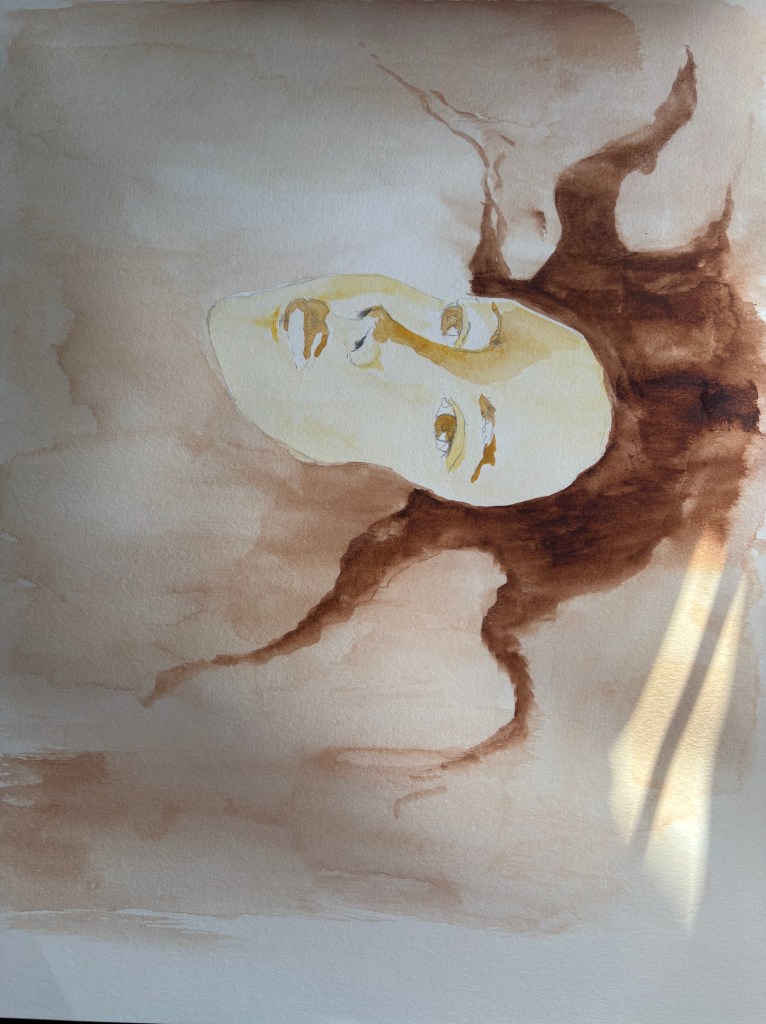
From the Mud
Watercolour on paper
Rona Thorne
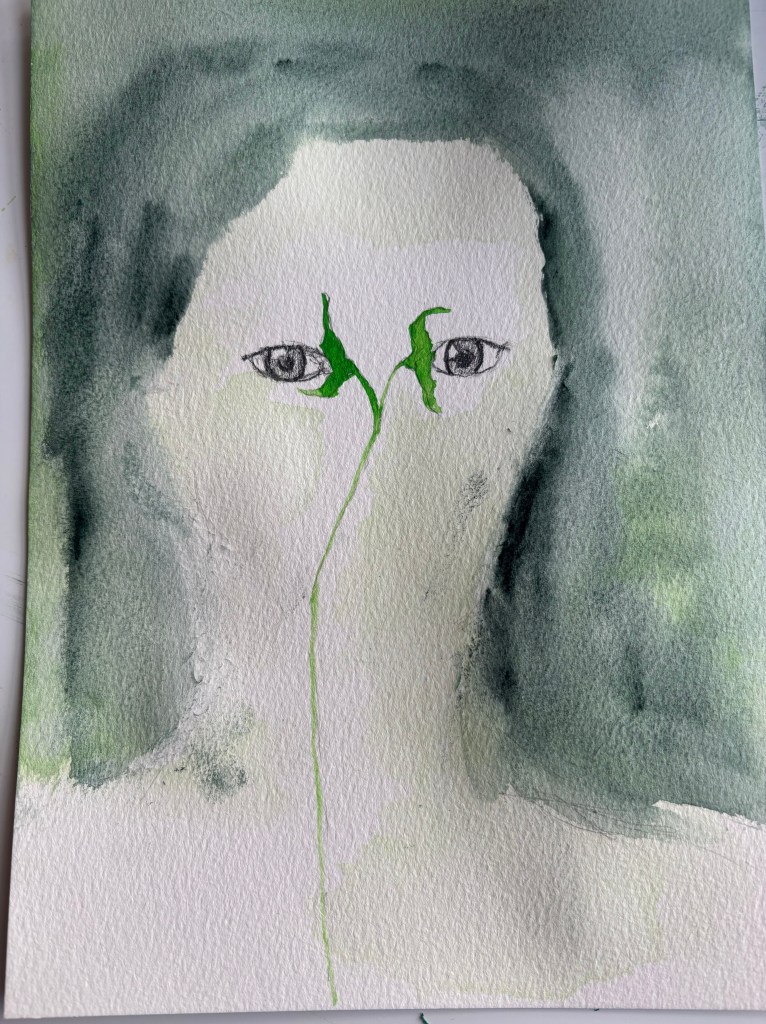
The Seed Within
Watercolour on paper
Rona Thorne
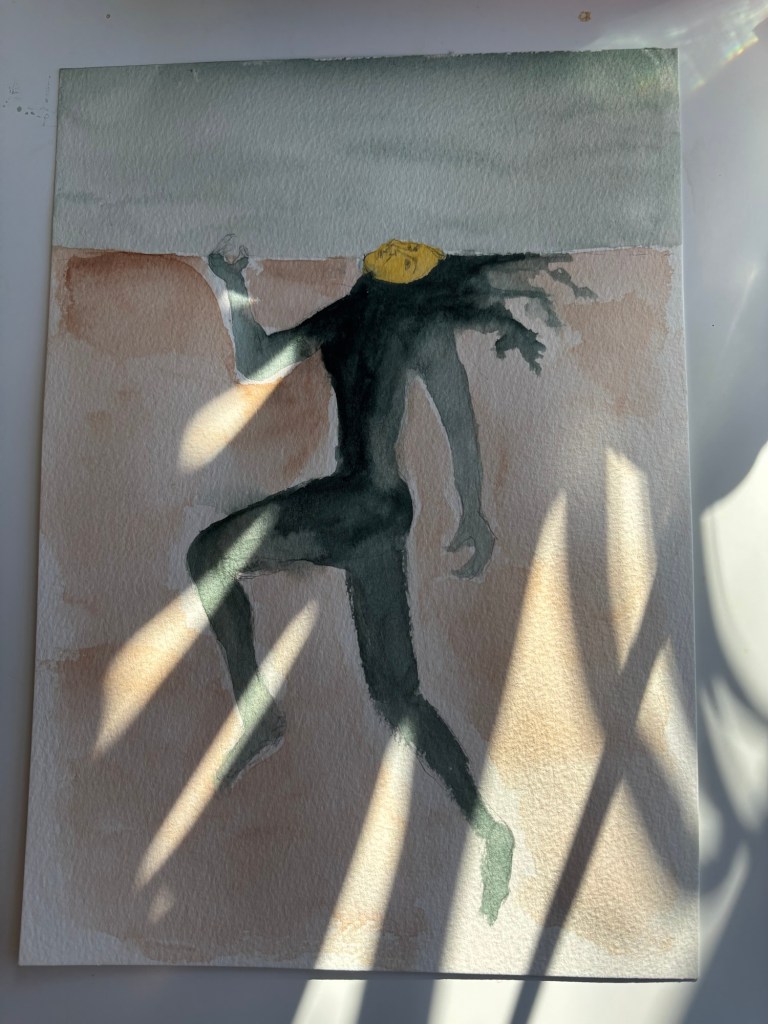
Earth Body
Watercolour on paper
Rona Thorne
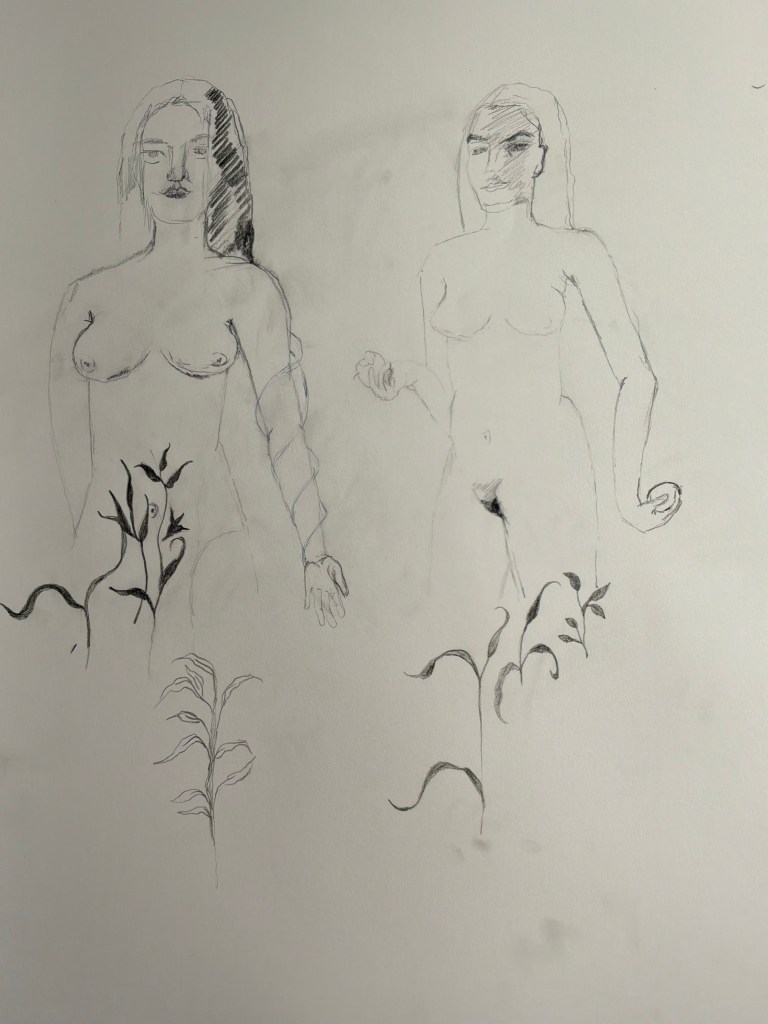
Becoming Flora
Pencil on paper
Rona Thorne
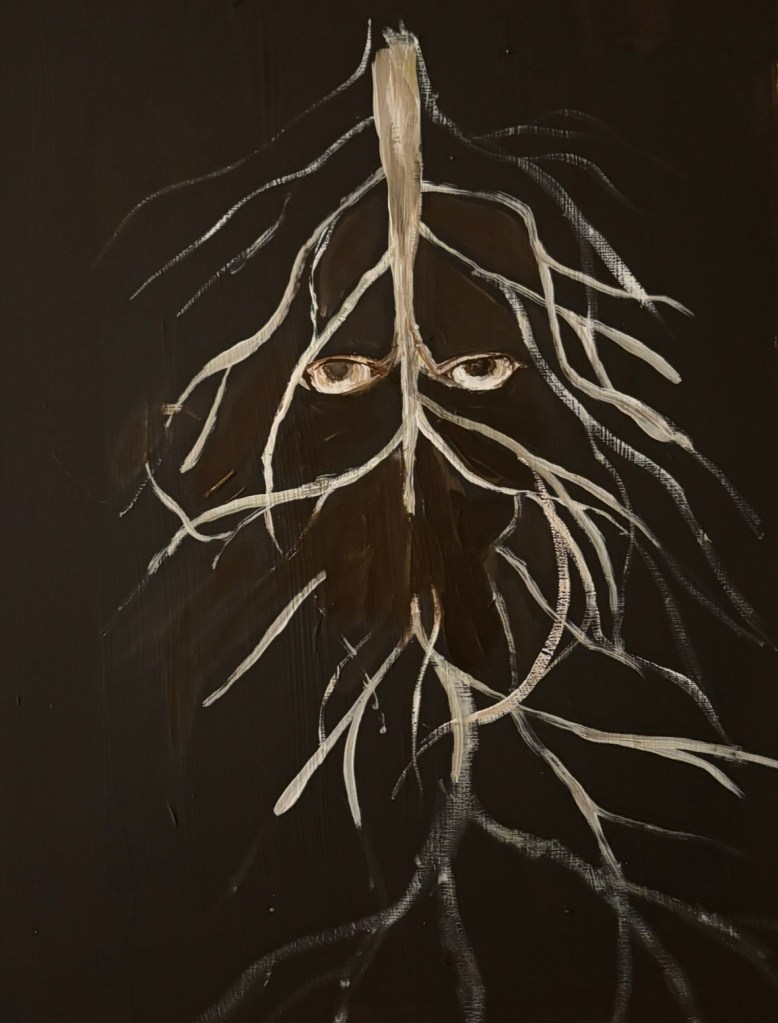
Roots Within
Acrylic on wood
Rona Thorne
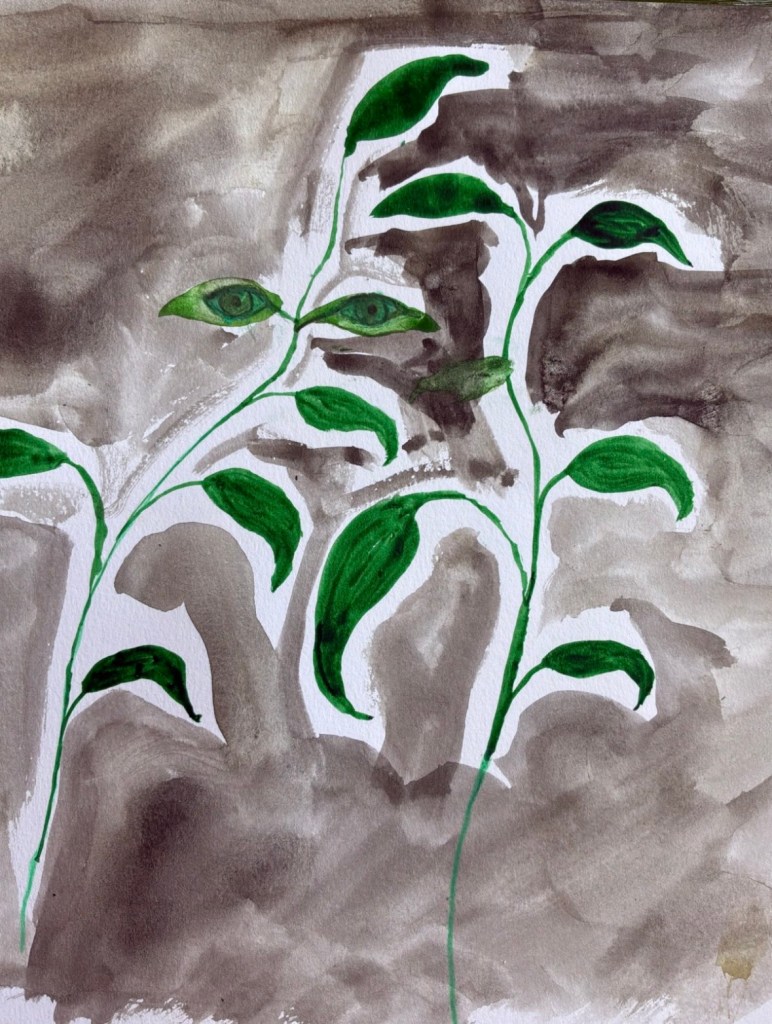
Hidden Within Nature
Watercolour on paper
Rona Thorne
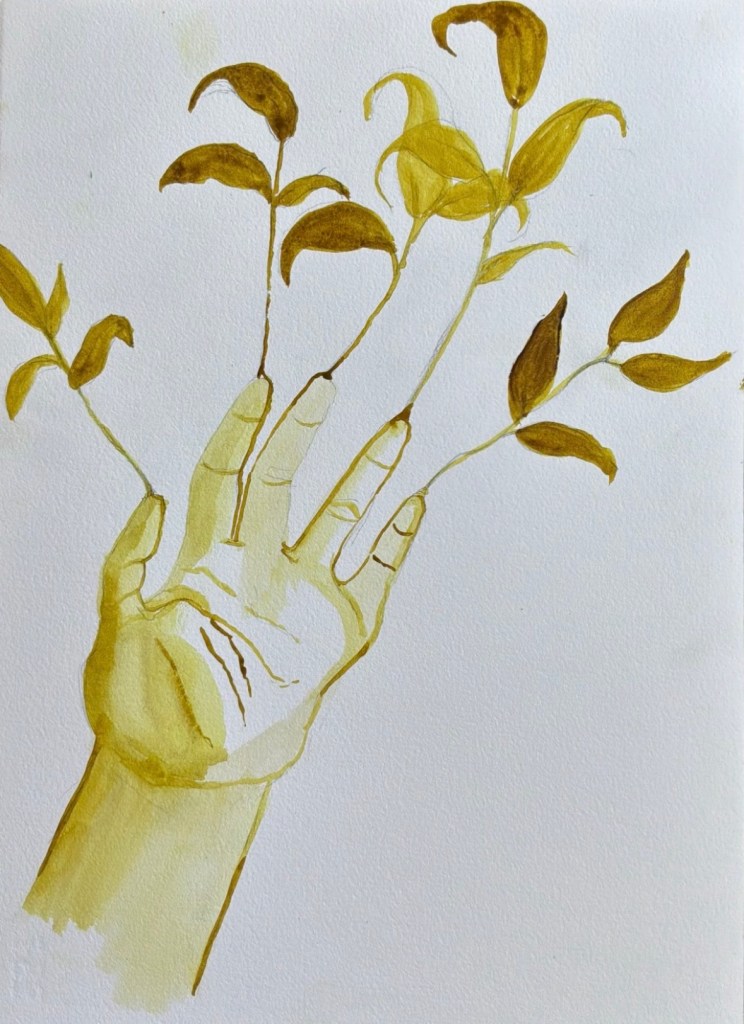
Growing Through My Hands
Watercolour on paper
Rona Thorne
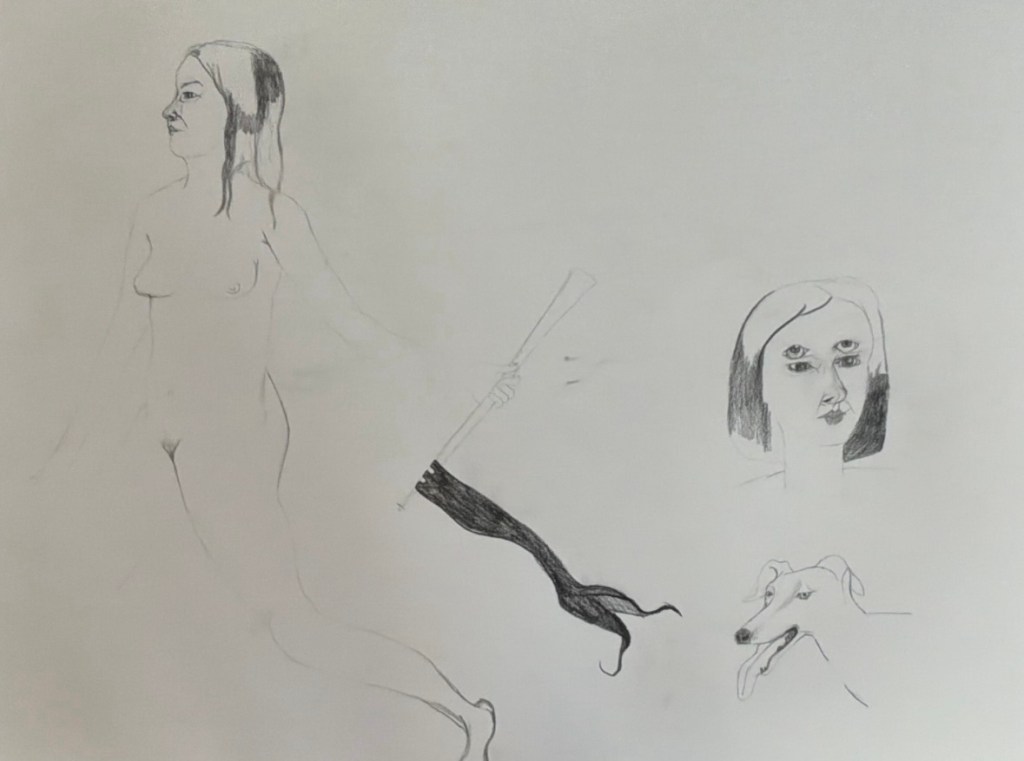
Studies for Becoming Earth
Pencil on paper
Rona Thorne
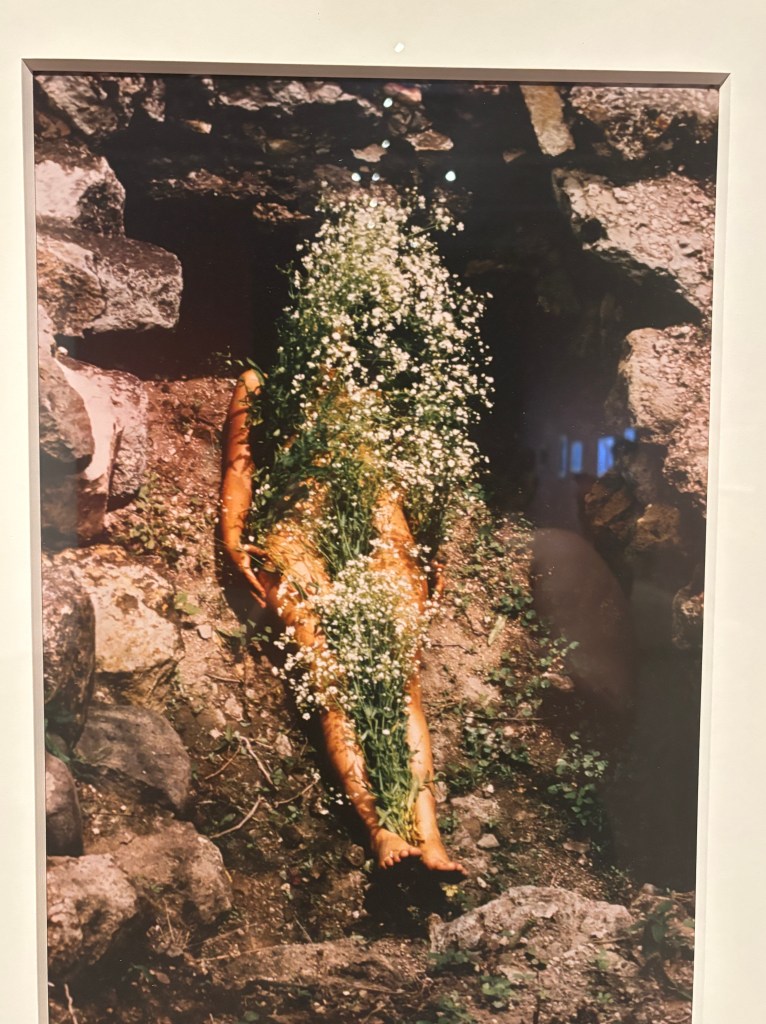
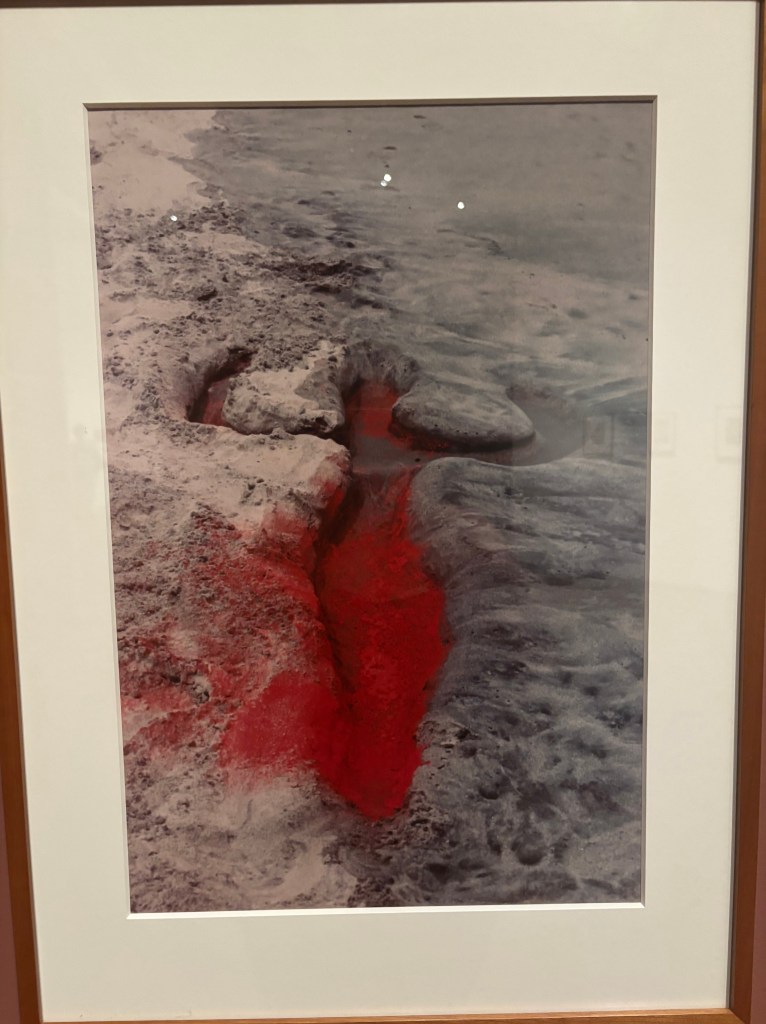
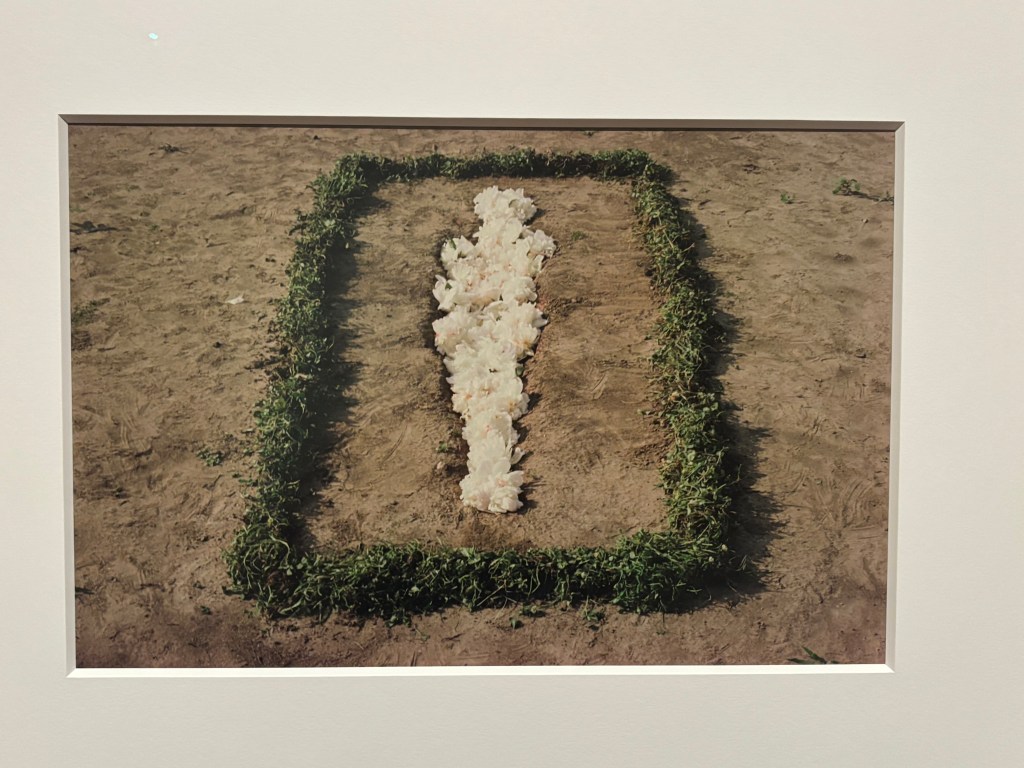
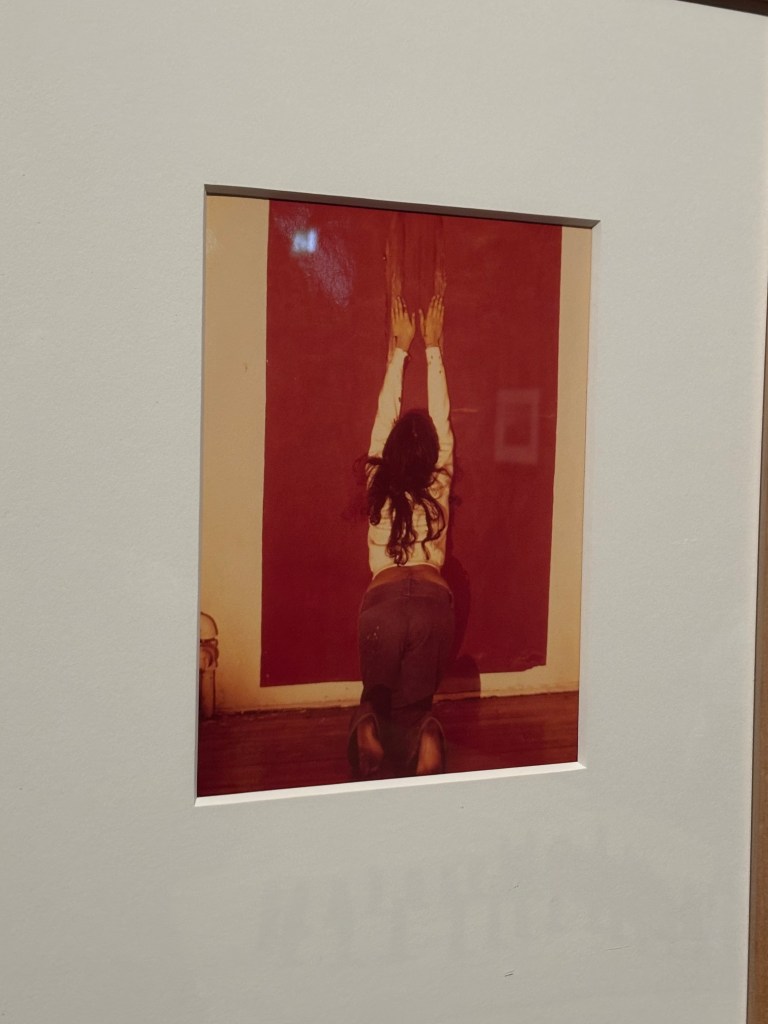
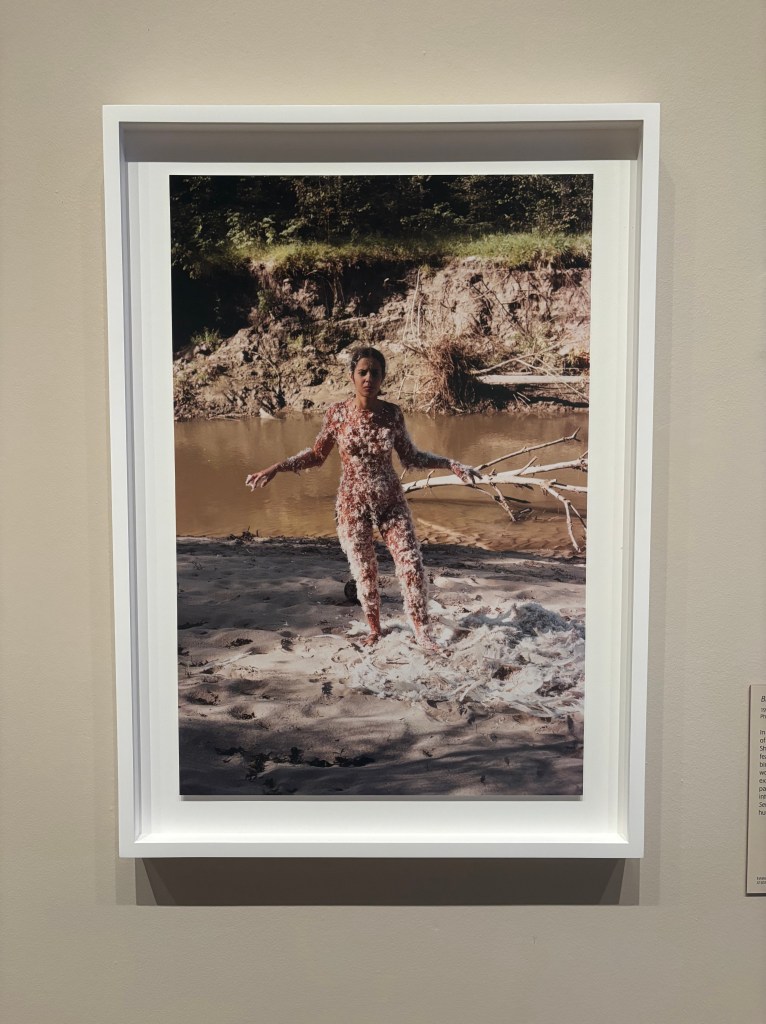
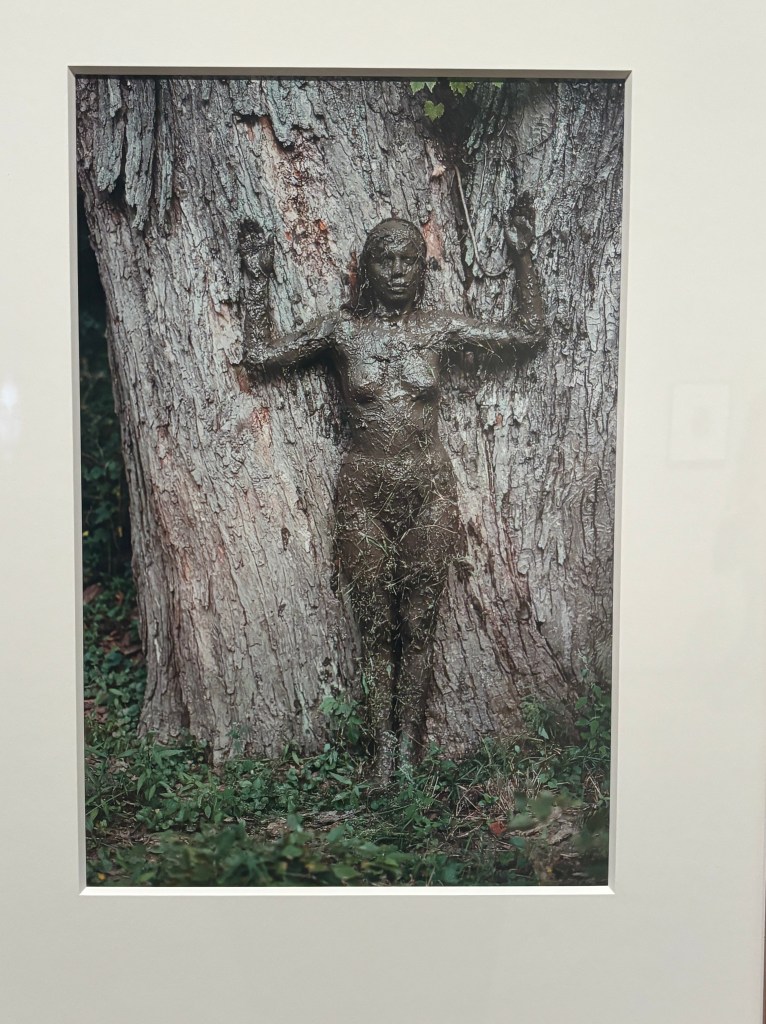
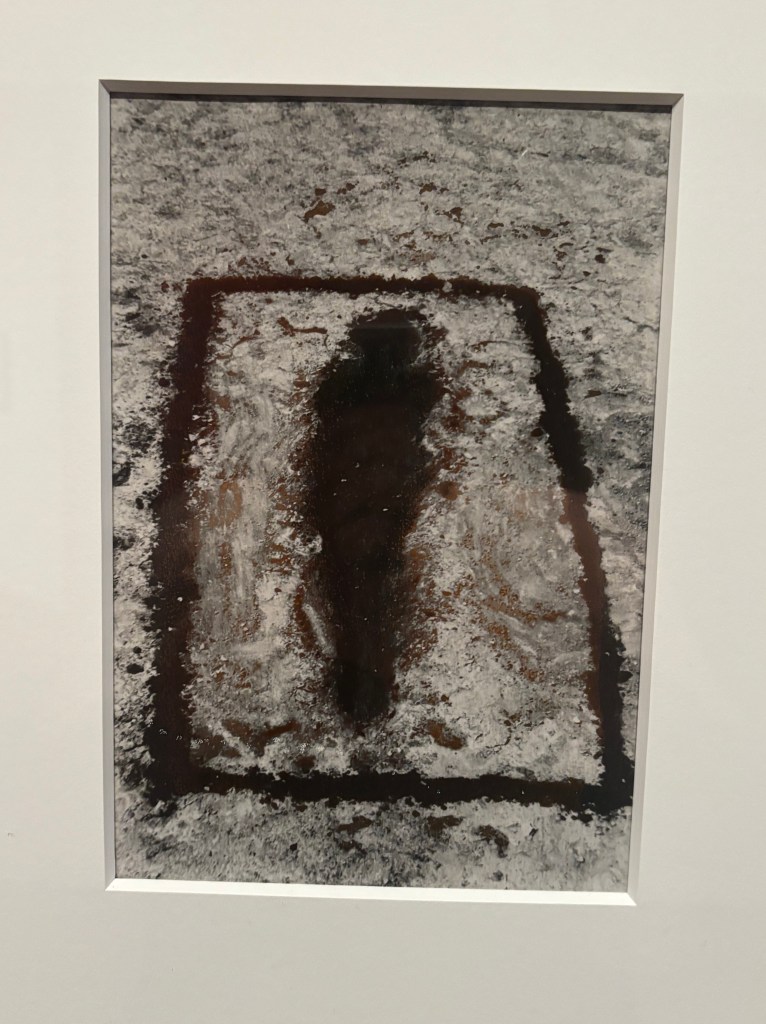
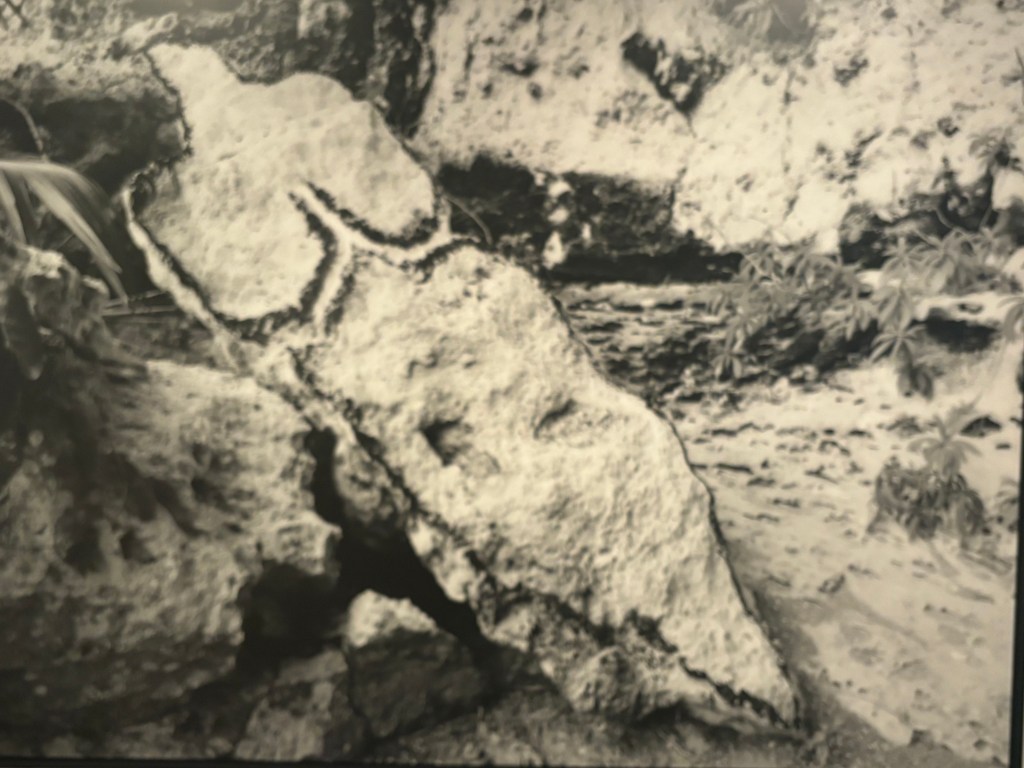
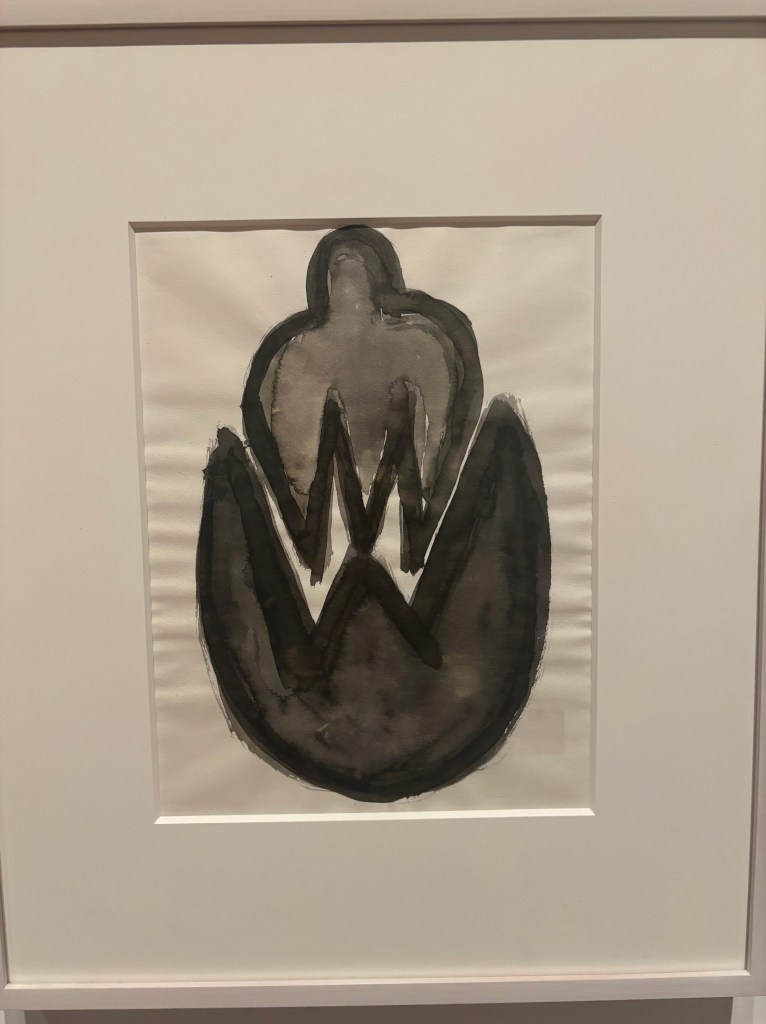
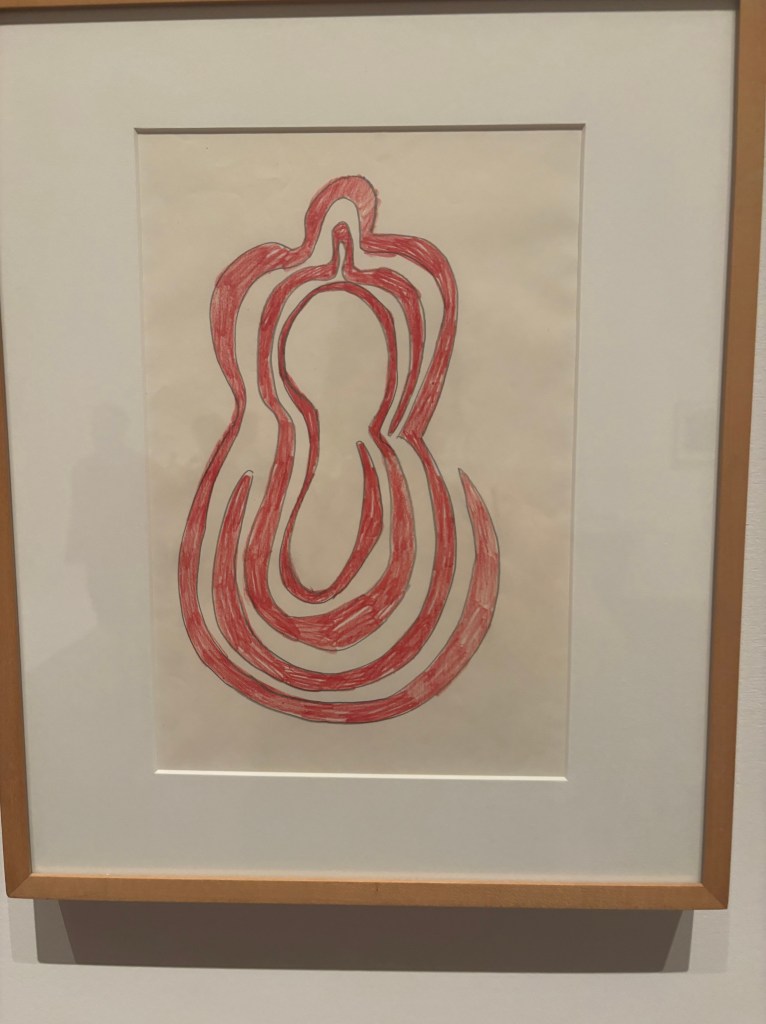
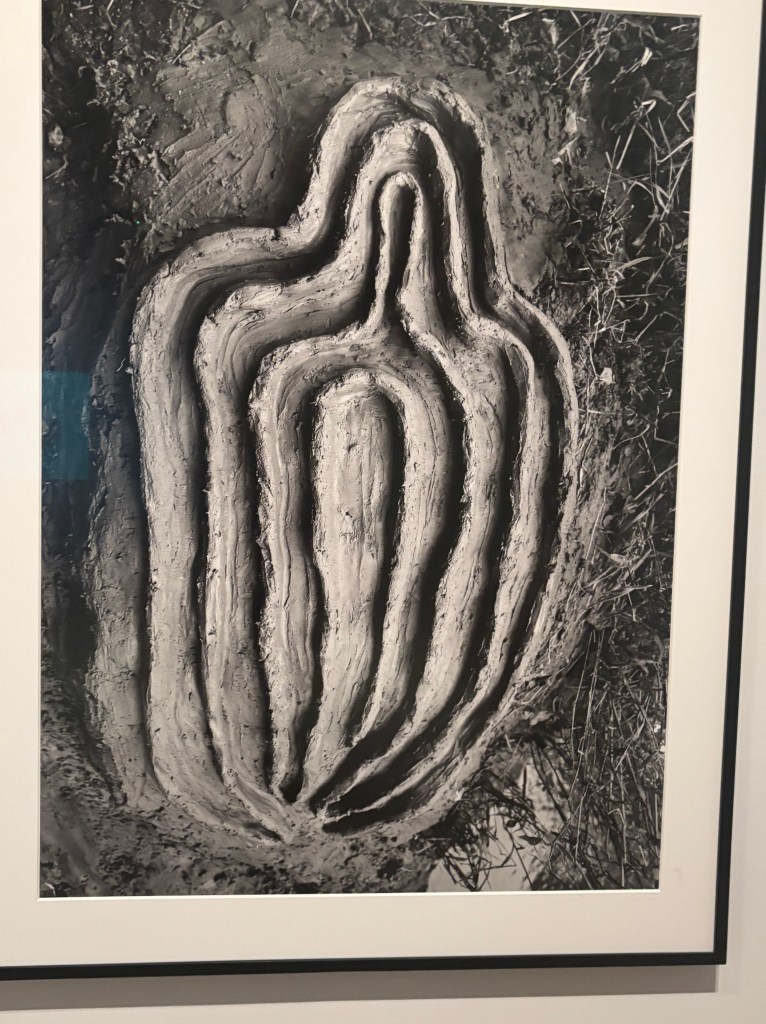
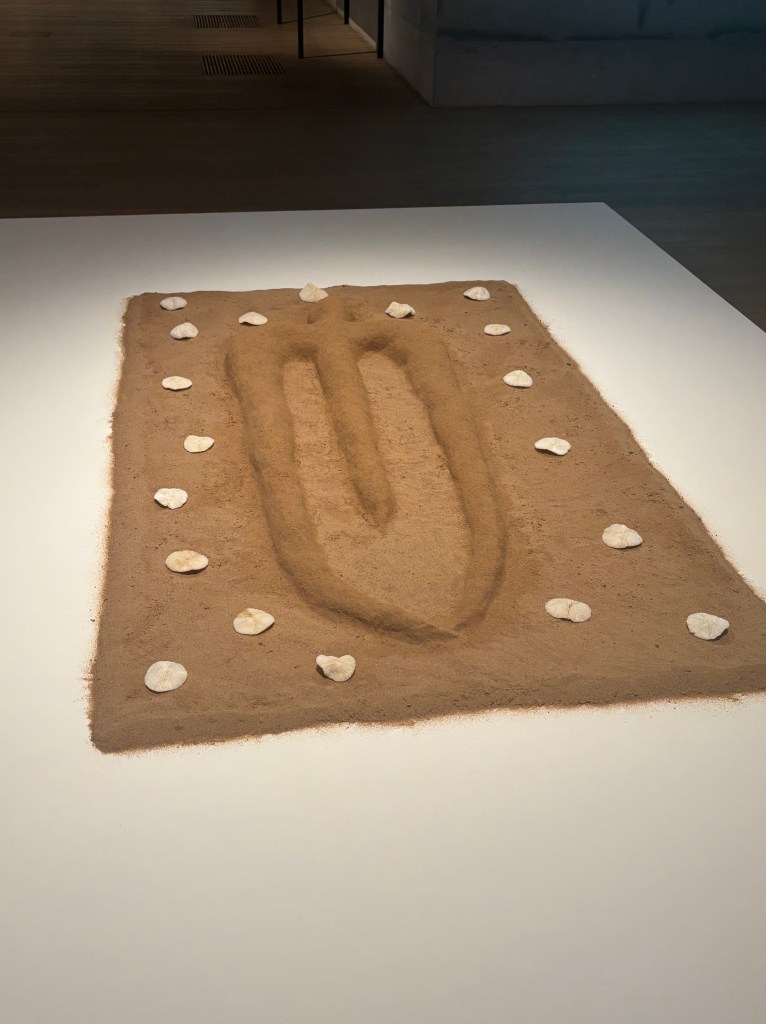
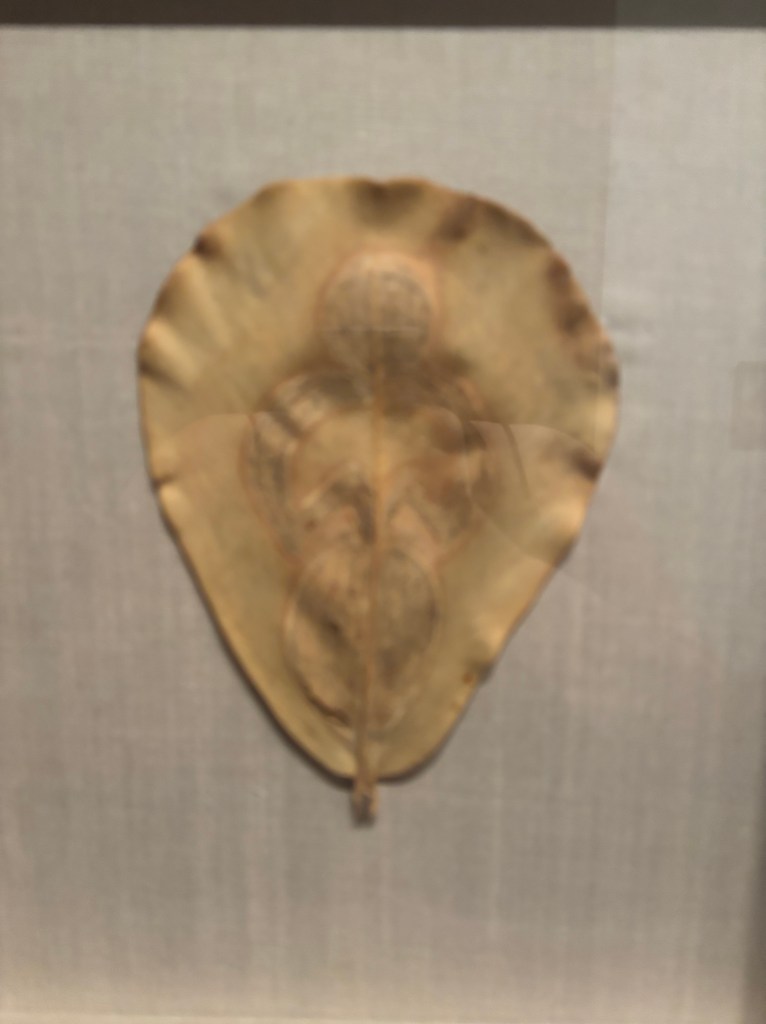
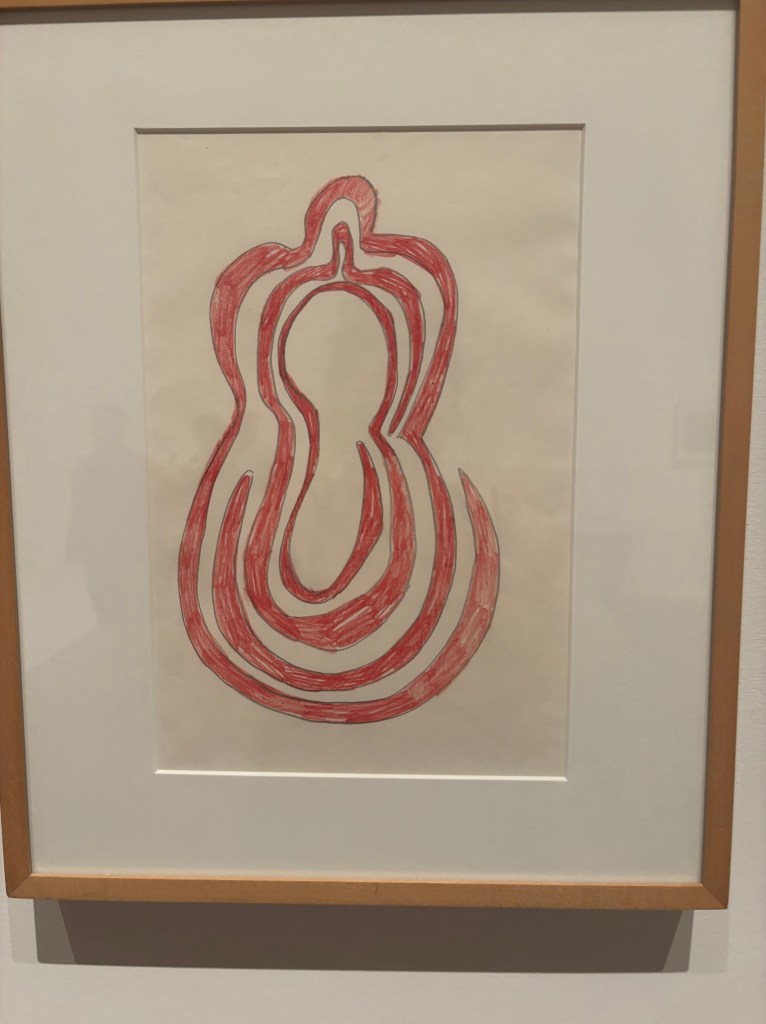
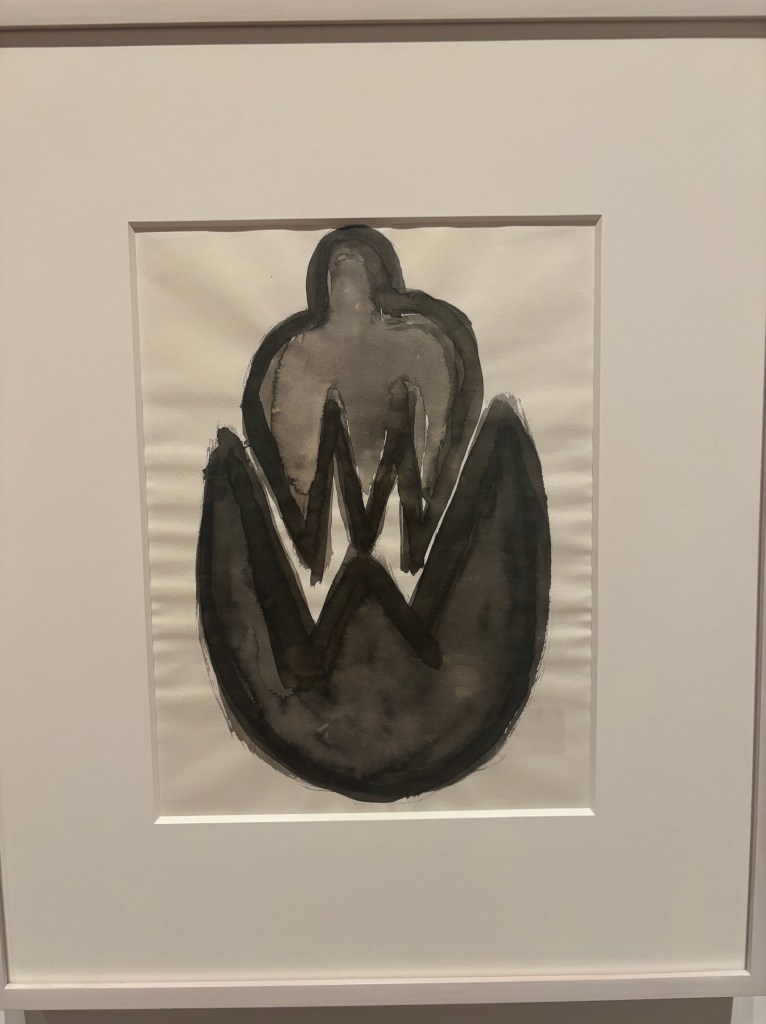
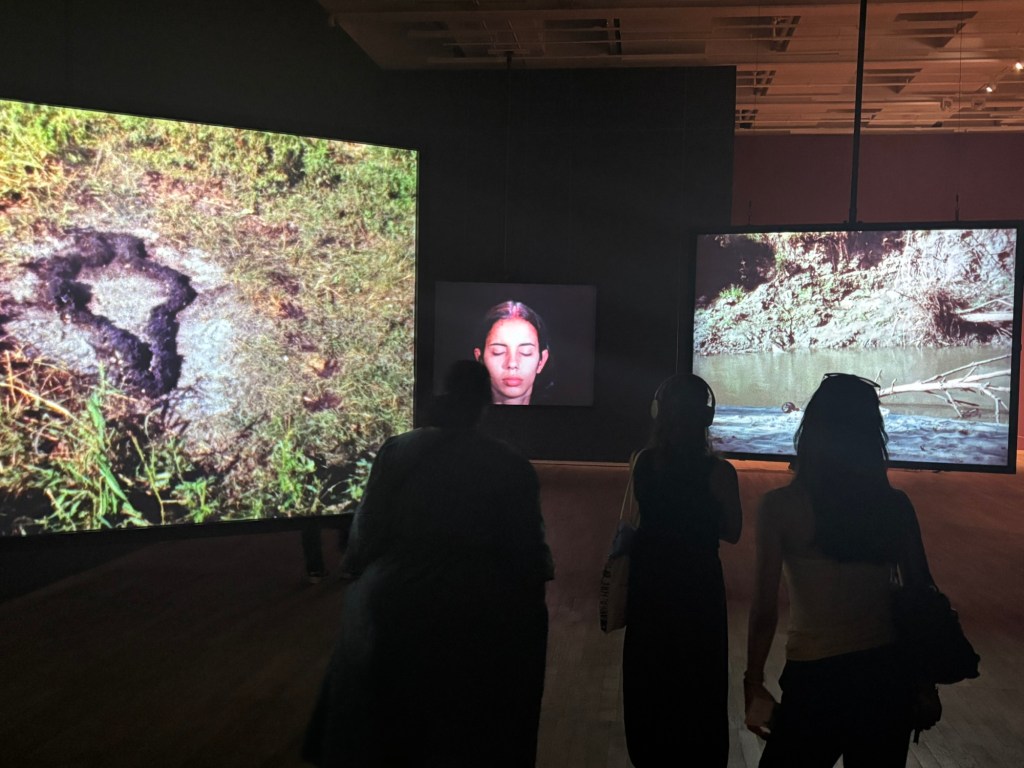
Ana Mendieta influenced my Becoming Earth project through her use of the body, nature and natural materials. Her work inspired me to explore how the human body can connect with the earth, plants and landscape, becoming part of nature rather than separate from it.
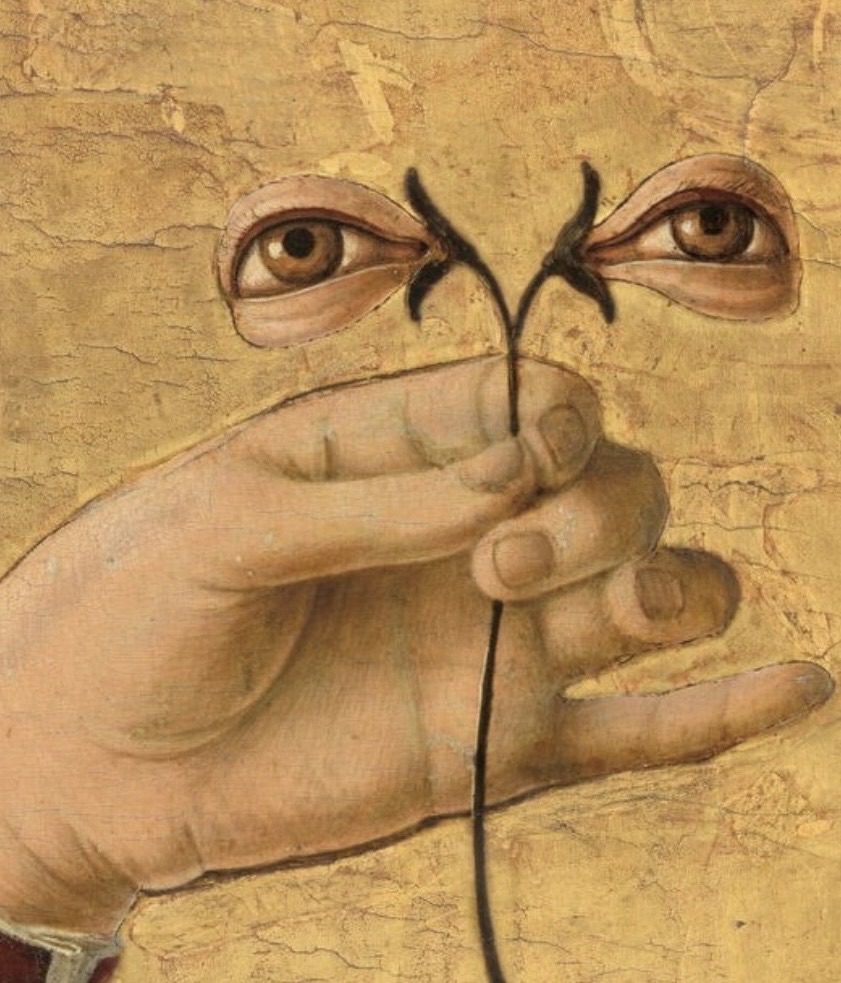
Francesco del Cossa, Saint Lucy c. 1473/1474
My artwork explores the relationship between humans and the natural world. At the centre of my practice is the belief that humans are deeply connected to nature rather than separate from it. In my paintings, human bodies often merge with plants, animals and landscapes, suggesting that all living things exist within an interconnected system.
Respect for the natural world is an important part of my practice. I am interested in the idea that nature has its own value and significance beyond its usefulness to humans. By blurring the boundaries between human and non-human life, my work challenges human-centred ways of thinking and presents nature as an active presence rather than a passive resource.
My work is also influenced by mythology, folklore and storytelling. I combine elements of personal mythology with references to historical stories and legends to explore how people understand their experiences and their relationship with the world around them. These narratives allow me to create imaginative spaces where memory, identity and nature can exist together.
Interconnectedness is a recurring theme throughout my practice. I see my work as a web of connections between people, places, memories, art history and the natural environment. Visually, this appears through layered imagery, overlapping forms and figures that seem to transform into or become part of the landscape.
Although my work is not directly political or activist, it connects with contemporary conversations about ecology, sustainability and environmental responsibility. Through exploring the relationship between humans and nature, I hope to encourage viewers to reflect on how we understand, value and interact with the natural world.
Strangers: Essays on the Human and Nonhuman by Rebecca Tamas
Page 35-41
My research into Rebecca Tamás’s Strangers, particularly the chapters On Panpsychism and On Greenness, has encouraged me to think more deeply about the relationship between humans and the natural world.
I am interested in panpsychism, the philosophical idea that everything in nature may have some form of mind or experience. This challenges the belief that consciousness belongs only to humans and encourages me to consider nature as an active presence rather than simply a background to human life.
Tamás explores how trees, water, animals and landscapes can influence our thoughts, emotions and imagination. Her writing connects with my interest in interconnectedness, the idea that humans and the natural world are deeply connected and constantly influence one another.
In On Greenness, Tamás discusses the symbolism of the Green Man, a figure whose human face merges with leaves, branches and plants. I am fascinated by this image of the human body becoming part of nature, suggesting growth, regeneration and transformation.
Tamás also explores the work of Ana Mendieta, whose earth-body artworks challenge the boundaries between humans and the natural environment. Through her use of soil, water, trees and natural materials, Mendieta expresses a powerful relationship between the body, identity and the Earth.
These ideas connect closely with my ongoing project, Becoming Earth, where I explore human figures merging with plants, roots and landscapes. I am interested in transformation, where the body appears to grow, dissolve or change into natural forms.
Another concept that interests me is viriditas, meaning the greening or life-giving power of nature. This idea encourages me to explore growth, renewal and the continuous movement of life.
Through watercolour, acrylic, ink and drawing, I experiment with flowing lines, organic shapes, layered colours and textures to express these relationships. I want my paintings to suggest that the boundaries between the human body and the natural world are fluid rather than fixed.
My research encourages me to question anthropocentrism, the belief that humans occupy a central or superior position in relation to nature. Instead, I want to explore how humans belong within a larger, interconnected living world.
At the heart of Becoming Earth is the idea that nature is not something separate from us. It is part of our bodies, our experiences and our existence. Through my artwork, I hope to invite viewers to reconsider their relationship with the Earth and imagine new ways of belonging to the natural world.
Exploring Greenness and Interconnectedness
Inspired by Rebecca Tamás’s On Greenness, I plan to explore the colour green through drawing and painting as part of my Becoming Earth project.
I want to experiment with different shades of green to represent growth, life, transformation and the relationship between humans and nature.
Through flowing lines, organic shapes and layered textures, I will explore how human figures can merge with leaves, roots, trees and landscapes, creating a sense of interconnectedness.
I am particularly interested in the idea of viriditas, the living and growing energy of nature. By using green as my main colour, I hope to express how everything in the natural world is connected, constantly changing and becoming something new.
My aim is to create paintings where the boundaries between the human body and nature begin to disappear, suggesting that we are not separate from the Earth, but part of it.

